
…and how to manage it
There is almost no human being on Earth who does not experience stress at least once in their entire life and also believes stress is bad and should be avoided at all costs. But, au contraire, stress is not bad, is not something to be afraid of, and most certainly not something to suppress. Although this may come as a surprise to many, stress is in fact, an aiding mechanism. People are often mistaking the onset of stress as something terribly toxic, and yes, they are right to a certain degree, but also very wrong. When we experience stress, our hearts begin to beat faster, our breathing rate increases, and the blood flow changes course, focusing on feeding the skeletal muscles and the brain, leaving little to the visceral organs. But this is a good thing; because it prepares us to fight or fly. The increased breathing rate provides more oxygen to the brain, and the increased heart rate pumps more blood throughout the organism. However, in a society where fighting or running away from a situation might not be the best outcome our self-preservation tends to win, forcing us to inhibit this instinctual response, at least we hope it does. Because the alternative, in many cases, might lead to bursts of anger or the reputation of a coward. If these instinctual responses are successfully inhibited then we might be dealing with excessing sweating, such as sweaty palms or a drenched shirt, trembling of the knees or of our voice, or both, and even blurred vision, all as a result of an adrenaline rush.
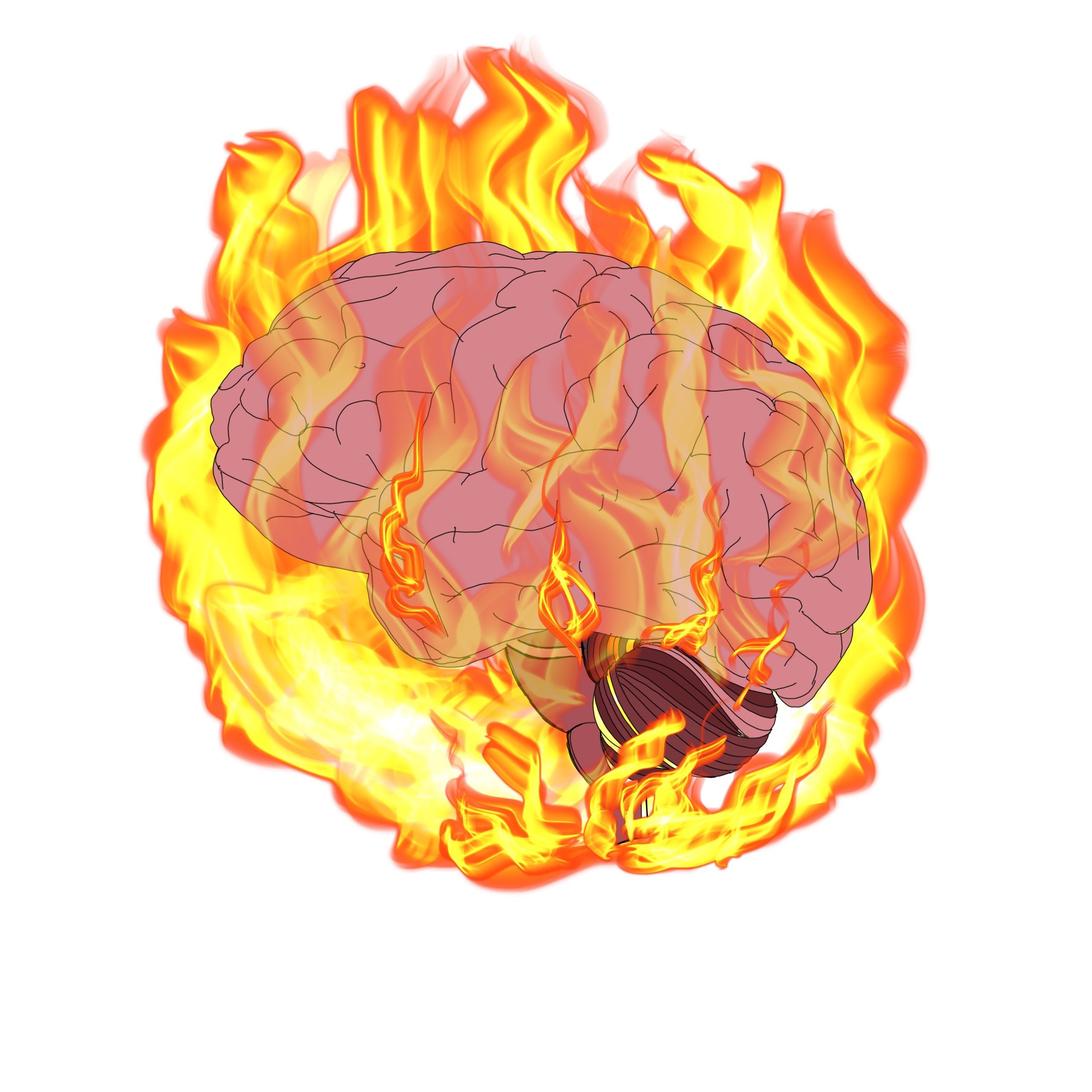
To deal with stress in a more contemporaneous way is to acknowledge that stress is not our enemy.
Firstly, stress appears when we take risks to search for meaning. Researchers believe that stress appears when the arousal level of an individual is higher than the arousal level that the action requires.
Secondly, stress is a guiding emotion in satisfaction, researchers believe that stress plays an important role in reaching an optimal level of arousal, or how Csikszentmihalyi called it, a state of flow. A state where the skills an individual possess are matching the skills required to perform a certain task. When there is an imbalance between the two parties, boredom or stress may appear due to the imbalance produced by engaging in the task with unmatched skills.
Thirdly, stress increases the breathing rate and by pumping more blood significantly reduces reaction times, ultimately minimising the chance for making errors, aiding us in performing at an optimal level.
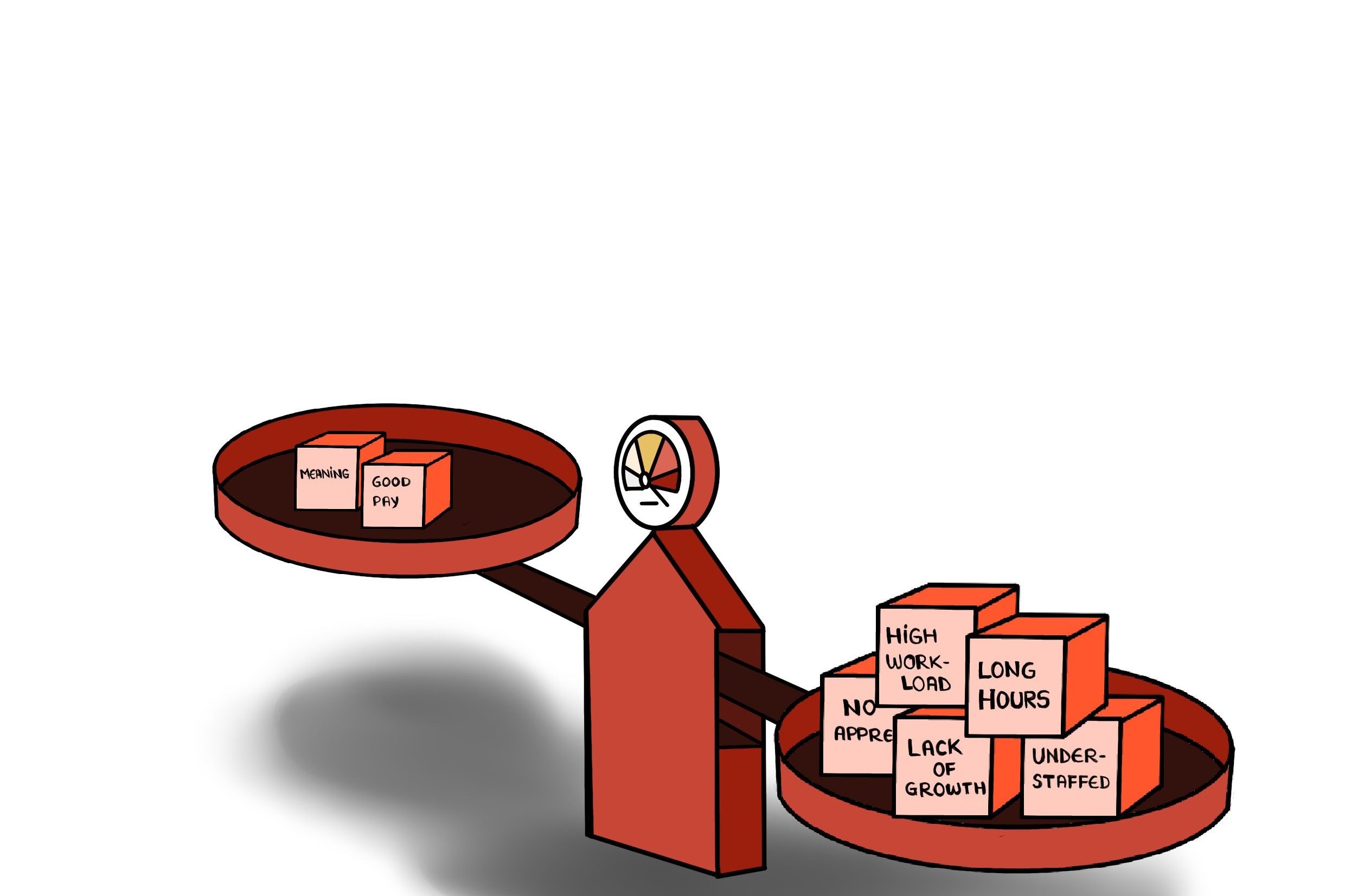
Recent research at Stanford University found that the participants who believed stress is not causing them a disadvantage but is aiding them in performing at an optimal level experienced no negative effects and performed better than the group of participants who believed that stress is damaging to their health and performance; these participants have performed worse than sub-optimal and have also experienced negative side effects such as palpitations and excessive sweating.
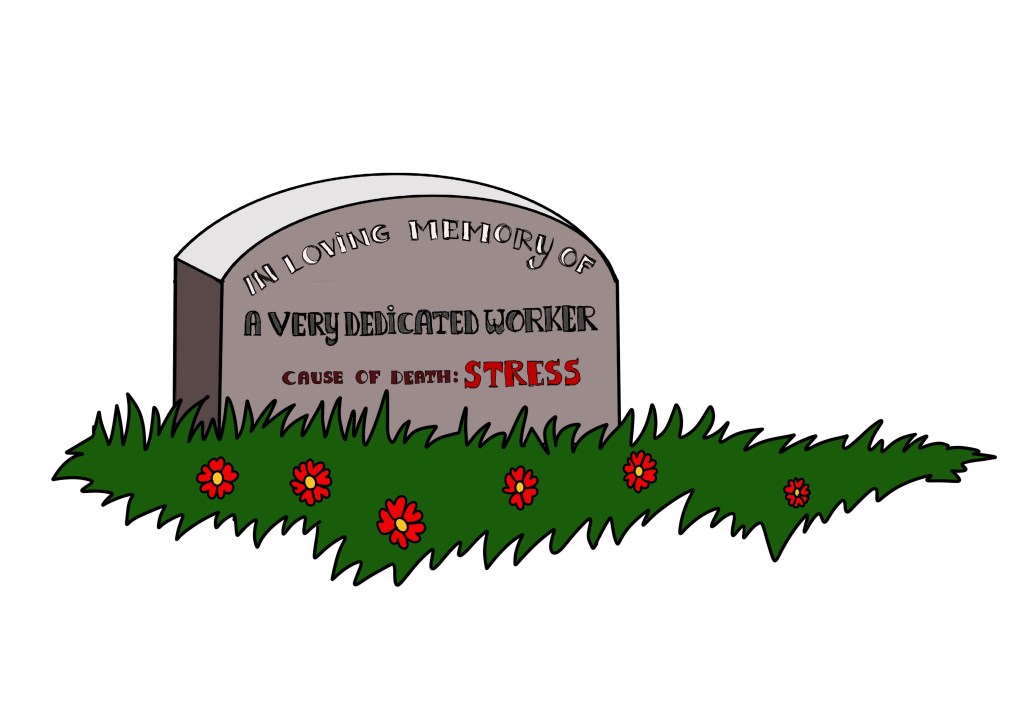
Indeed, there is a form of stress that is highly toxic. This stress is called chronic stress and is a direct result of sleep deprivation and a bad diet. Chronic stress can often lead to ischemic strokes, vascular diseases and even heart infarcts, being a direct link to the six leading causes of death. Unfortunately, occasional stress can also lead to chronic stress, The secret roots in how we approach stress; like any other situation, our minds can turn a specific situation into a dream or a nightmare, becoming self-fulfilling on its own. Therefore, people who believe stress is damaging and even deadly will make that prediction self-fulfilling, but people who approach stress with an optimistic mind, will make the most of it and instead of considering stress their enemy, will make it their friend.
To identify if stress is becoming an issue for you, take the below quiz:
Answering: For each question answer with never, rarely, sometimes, often, or always.
- Do you suffer from headaches?
- Do you feel like you are losing control?
- Do you feel like you’re becoming more impatient?
- Has your work efficiency declined?
- Do you feel guilty without a clear reason?
- Are you often nervous or scared without a clear reason?
- Do you have trouble sleeping?
- Do you have increased school/work absences?
- Have you had significant weight loss/gain over the last 6 months?
- Are you finding your problem-solving more rigid (inflexible)?
- Do you often feel run down?
- Do you suffer from irritability and anger?
- Do you have trouble relaxing/winding down?
- Do you feel an increased mistrust of others?
- Are you constantly worried about the worst happening?
- Do you have a reduced sense of self-worth?
- Do you have mood swings?
- Do you have periodic shortness of breath?
- Are you using (more) alcohol/drugs (than usual)?
- Do you often feel exhausted?
- Do you find yourself being more accident-prone?
- Do you have poor concentration?
- Do you have frequent colds, flu, etc?
- Do you have indigestion or abdominal discomfort?
- Have you lost interest in others, socially?
- Do you have poor time management?
- Do you feel vulnerable or helpless?
- Have you become far too critical, or negative of others?
- Do you lack enthusiasm for being alive (also called anhedonia)?
- Do you become easily frustrated?
Scoring
Allocate a score from 0 for never to 4 for always and sum all scoring to get the total score. The maximum score is 120.
0-50: Stress is not an issue for you, the results might be due to skipping a meal or an unslept night.
50-89: You have mild to moderate stress and should keep an eye on it.
90-120: You must have a love-hate relationship with stress and should look at implementing some immediate changes. Continuous stress has some horrible consequences.
 Micky's Designs